Everyday Nutritional Harmony
Understanding common vitamins, trace elements, and supportive dietary additions for routine balanced eating and general daily ease.
Educational content only. No promises of outcomes.
Foundation of Balanced Nourishment
Nutritional equilibrium forms the basis of daily wellness. This resource explores how diverse foods contribute essential components to support routine bodily functions and everyday ease, guided by principles of dietary diversity and moderation.
Categories of Nutritional Elements
Essential Vitamins
Explore the water-soluble and fat-soluble vitamins essential for cellular processes, energy metabolism, and support of normal physiological function.
Discover moreKey Minerals
Understand how major and trace minerals support bone structure, muscle contraction, enzyme function, and maintenance of body fluid balance.
Discover moreSupportive Additions
Learn about phytochemicals, antioxidants, and traditional plant-derived components that appear in everyday diets across cultures.
Discover moreRegional Dietary Habits and Nutrient Focus
Indonesian traditional diets demonstrate how regional food systems naturally provide diverse nutrient sources. From tropical markets offering fermented foods and fresh produce to home-prepared balanced plates, understanding these patterns illuminates principles of nutritional equilibrium applicable across populations.
Cultural food practices reflect centuries of knowledge about combining ingredients for satiety, digestive ease, and general wellness.
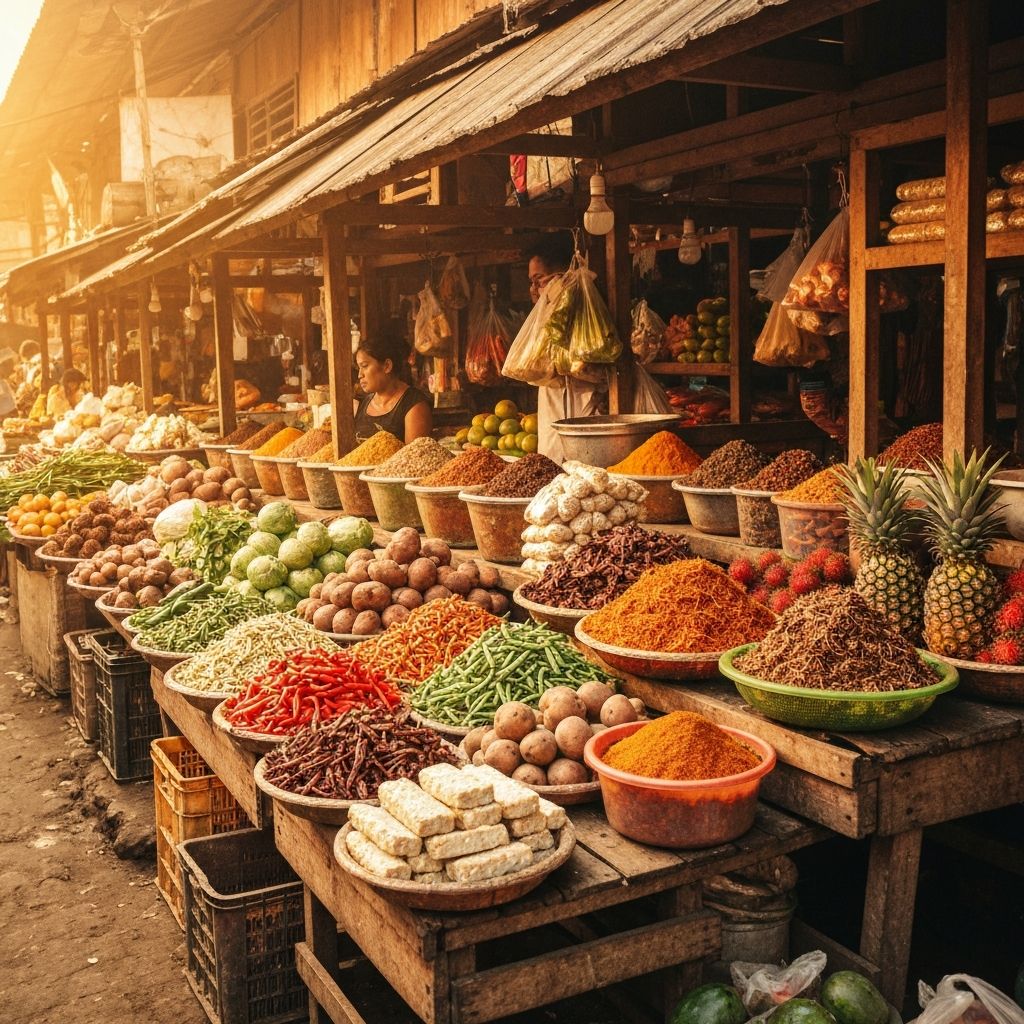
B-Group Vitamins in Plant-Based Sources
| B Vitamin | Primary Plant Sources | General Function |
|---|---|---|
| B1 (Thiamine) | Whole grains, legumes, nuts, seeds | Energy metabolism, nerve function |
| B2 (Riboflavin) | Almonds, mushrooms, whole grains | Energy production, cell growth |
| B3 (Niacin) | Peanuts, mushrooms, brown rice | DNA repair, energy metabolism |
| B5 (Pantothenic Acid) | Mushrooms, avocado, legumes | Hormone and cholesterol production |
| B6 (Pyridoxine) | Chickpeas, potatoes, bananas | Amino acid metabolism, brain development |
| B7 (Biotin) | Almonds, sweet potatoes, spinach | Hair, skin, and nail health support |
| B9 (Folate) | Dark leafy greens, legumes, asparagus | Cell division, DNA synthesis |
| B12 (Cobalamin) | Fermented foods, algae, fortified foods | Red blood cell formation, nerve function |
Major Minerals and Their Dietary Presence
Minerals serve as foundational structural components and cofactors for enzymatic processes. Understanding their diverse food sources supports selection of varied dietary patterns naturally rich in these essential elements.
- Calcium: Leafy greens, sesame, tofu, legumes
- Magnesium: Pumpkin seeds, almonds, spinach, whole grains
- Iron: Legumes, fortified grains, dark leafy greens, dried fruit
- Zinc: Legumes, nuts, seeds, whole grains
- Potassium: Bananas, sweet potatoes, legumes, leafy greens
- Phosphorus: Seeds, nuts, whole grains, legumes

Nutrient Interaction in Mixed Meals
The synergy of ingredients in traditional balanced meals demonstrates how nutrient absorption varies with food combinations. Consuming diverse foods together - such as vegetables with healthy fats, or grains with legumes - illustrates basic principles of nutrient utilization and complementary nourishment.

Whole Foods vs. Isolated Forms
Whole Food Sources
Characteristics:
- Contain multiple supporting compounds
- Variable nutrient density by season and origin
- Offer fiber, phytonutrients, and cellular structure
- Provide satiety through volume and composition
- Support digestive health and microbial diversity
Supplemental Forms
Characteristics:
- Concentrated isolated compounds
- Standardized dosage and potency
- No accompanying food matrix
- Used when specific needs arise
- Part of contemporary dietary practices globally
Understanding Context: Both whole foods and supplemental forms have roles in contemporary nutrition. This resource presents factual information about their characteristics and presence in everyday diets without advocating one approach over another.
ASEAN and Global Nutritional Guidance Principles
International nutritional reference frameworks - including ASEAN dietary guidelines, WHO recommendations, and national standards - provide consistent evidence-based principles: consume diverse foods, emphasize whole grains and plant sources, maintain moderate portions, and adapt recommendations to individual contexts and professional guidance.

Addressing Common Misconceptions
Nutritional balance involves appropriate quantities and proportions. Exceeding established daily values for certain nutrients does not enhance benefits and may create inefficiencies. Moderation and variety form core principles of balanced eating.
While certain nutrients support particular functions (e.g., calcium for bone structure), nutrients work systemically. The body integrates all components to maintain overall equilibrium. Isolated nutrient targeting oversimplifies complex physiology.
Both whole food and supplemental sources have evidence-supported roles. Absorption, bioavailability, and individual contexts vary. Neither category is universally superior; appropriateness depends on individual circumstances.
Individual needs vary due to genetics, activity level, age, health status, and cultural context. Dietary diversity and personalized approaches—ideally developed with professional guidance—support optimal individual outcomes.
Keep Exploring Foundational Nutrition Topics
Continue your educational journey through detailed information about specific nutrients, dietary components, and principles of balanced eating.
View All Categories